
Wan 2.7 Image AI Image Generator
Wan 2.7 Image is built for creators who need control, not just one attractive sample. It brings together more distinct facial shaping, HEX palette guidance, stronger long-text layouts, coherent image sets, and local editing that fits real design and content workflows.
Wan 2.7 Image online image generator
Why Wan 2.7 Image Feels More Practical Than Typical Image Models
Wan 2.7 Image matters because it is trying to solve the production problems that keep many AI image tools from fitting real workflows.
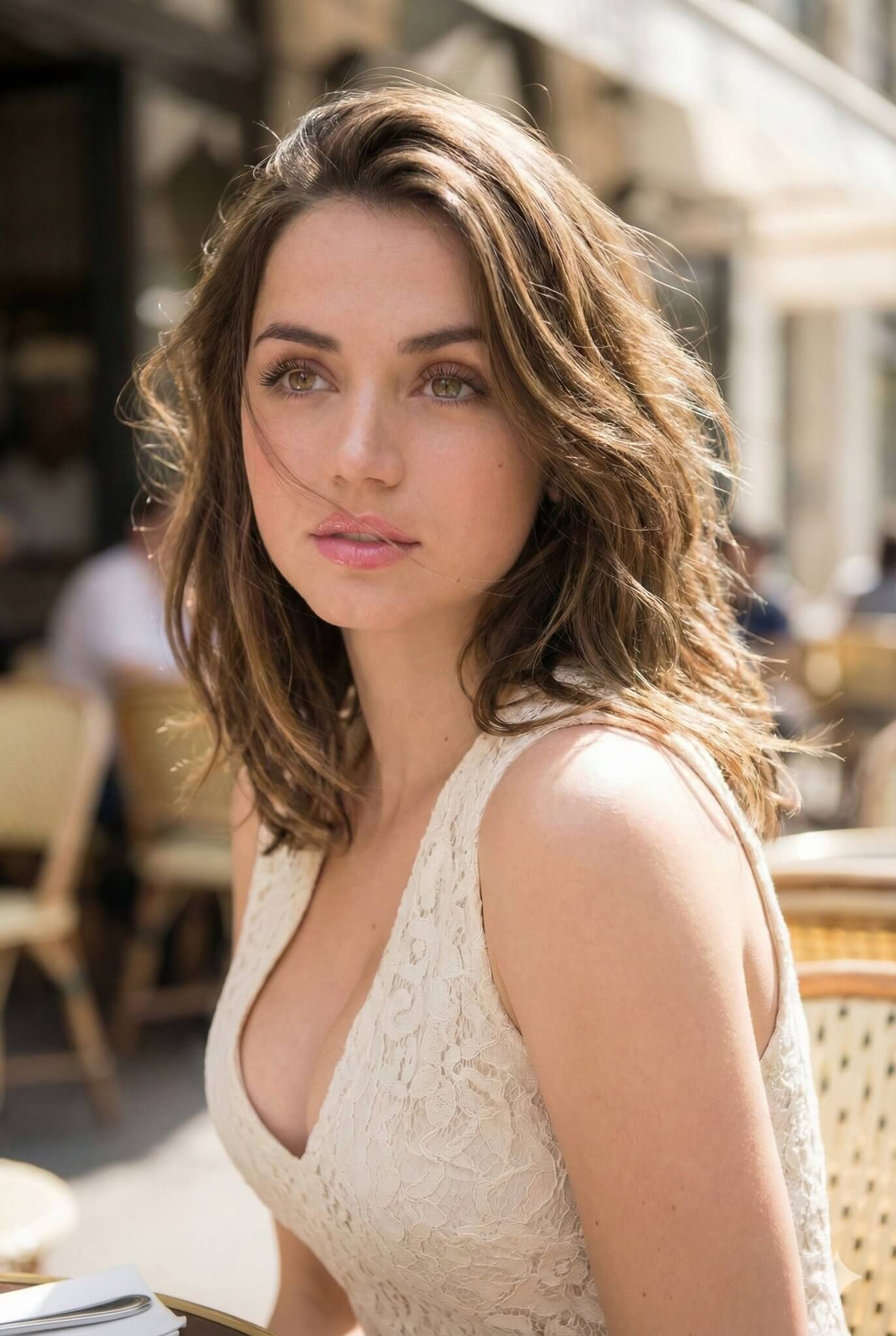
Wan 2.7 Image pushes facial control past the usual same-face look
Most image models can make a beautiful face once, then drift into the same polished AI look on the next prompt. Wan 2.7 Image is being noticed because the launch messaging centers on finer facial structure control: face shape, eye depth, expression, and identity cues that help a character look like a specific person instead of a statistical average. For brands, avatar systems, fashion concepts, story panels, and repeat talent images, that kind of facial control is more valuable than raw prettiness because it protects recognition across a series.
Wan 2.7 Image turns HEX palette control into a real production feature
Palette control is one of the most practical reasons people are paying attention to Wan 2.7 Image. The public API supports a custom color palette with HEX values and ratios, which means the model can be steered toward a defined color system instead of vague mood words alone. That matters when a campaign has brand colors, a product line needs consistent packaging tones, or a designer wants to borrow the distribution of color from a reference image without repainting every output by hand.
Wan 2.7 Image is unusually relevant for text-heavy layouts and structured pages
Long text rendering is where Wan 2.7 Image starts to look less like a prompt toy and more like a design assistant. Early release coverage keeps highlighting readable dense layouts, charts, formulas, tables, bullets, and print-style pages rather than only short headline text. If that holds across real jobs, Wan 2.7 Image becomes relevant for menus, product sheets, explainers, teaching materials, event posters, infographics, and documentation visuals that many image generators still handle poorly.
Wan 2.7 Image connects generation, image sets, and local editing in one loop
Wan 2.7 Image is also broader than a simple text-to-image model. Alibaba Cloud's April 1, 2026 API reference says Wan 2.7 Image supports text-to-image, text-to-image-set, image-to-image-set, image editing, and multiple reference images. The same docs allow 0 to 9 input images and up to 12 outputs in image-set mode. Add interactive region editing and the result is a workflow where you can generate, compare, keep continuity, and revise locally instead of restarting the whole composition each time.
Best Use Cases for Wan 2.7 Image
Wan 2.7 Image is most useful when consistency, layout control, and revision speed matter more than one lucky hero shot.
How to Use Wan 2.7 Image
The Wan 2.7 Image workflow is simple: describe the image, choose settings, then generate, refine, and download.
Enter a prompt or upload references
Write what you want Wan 2.7 Image to create, including subject, lighting, camera angle, composition, palette, in-image text, or editing intent. You can also upload reference images when you want stronger control over a face, product, style, or color direction.
Choose image settings
Set aspect ratio, number of images, and output quality before you generate. If you are editing an existing result, select the area you want to change so Wan 2.7 Image can update that region rather than rebuilding the full image.
Generate and download
Generate the image, compare the Wan 2.7 Image outputs, and download the version that fits your task. If one detail still feels off, keep refining the same image locally until the layout, text, color, and subject are where you need them.
Wan 2.7 Image FAQ
These Wan 2.7 Image answers cover the long-tail searches people actually use, including wan 2.7 image reddit, download, GitHub, and naming variations.
Wan 2.7 Image is an AI image generation and editing model in the Wan ecosystem. The release focuses less on pure sample beauty and more on control: distinct faces, HEX-guided palettes, readable long-text layouts, coherent image sets, and local edits that let you change one part of an image without throwing away the full composition.
Yes. People search for Wan 2.7 Image in several forms, including wan2.7 image, wan2.7-image, wan 2.7-image, and wan image 2.7. In practice, those naming variations all point to the same Wan 2.7 Image release and model family.
That search usually comes from people looking for quick user reactions, prompt examples, and edge-case tests. Wan 2.7 Image is new, so people want to know whether the face control, text rendering, palette guidance, and edit workflow hold up in real jobs instead of only in launch samples.
As of April 4, 2026, the clearest public paths we could verify are Alibaba Cloud Model Studio documentation, API access, and third-party try-it-now platforms. We did not verify a public open-weight download page, so wan 2.7 image download usually means product access, demo use, or API use rather than a direct local model file.
As of April 4, 2026, the public Wan-Video GitHub organization shows repositories such as Wan2.1, Wan2.2, diffusers, and Wan-skills, but not a dedicated public Wan 2.7 Image repo. So wan 2.7 image github is best treated as an ecosystem search term, not proof of a public code or weight release.
Wan 2.7 Image looks most different when control matters more than novelty. The standout points are facial identity shaping, HEX-based palette steering, stronger long-text and structured page rendering, coherent multi-image output, and interactive local editing that makes revision cheaper and faster.
Alibaba Cloud's April 1, 2026 API reference says Wan 2.7 Image can accept 0 to 9 input images. In image-set mode, it can produce up to 12 outputs, which makes Wan 2.7 Image more useful for product variations, seasonal campaigns, repeated characters, and style-consistent batches.
That is one of the main reasons Wan 2.7 Image is getting attention. Early release coverage points to stronger long-text layout handling, including charts, formulas, tables, bullets, and dense page designs. That does not remove the need for testing, but it makes Wan 2.7 Image more relevant for explainers, spec sheets, menus, and educational visuals.
No. Early testing suggests Wan 2.7 Image still has edge cases, especially with complex instruction following and text wrapped on curved surfaces. Some testers also reported that certain edit prompts behave more reliably in English than in Chinese. The model looks practical, but it is still worth validating against your exact workflow.
Try Wan 2.7 Image for Faster, More Controlled Image Work
Use Wan 2.7 AI to test Wan 2.7 Image, compare variants, and turn one-off generations into repeatable image workflows.